

Personal finance: How to achieve financial freedom in Canada

We all have the dream of living a life without financial worries. No debt, savings that accrue interest, an emergency fund for the unexpected – that’s what we all want for ourselves.
A 2019 survey shows that Canadians are increasingly facing financial hardship and struggling to manage their debt. These financial difficulties can cause you a lot of stress and have a significant impact on your mental health.
But there is a way to stop living paycheck to paycheck. If you put in the time and follow these steps, you will be one step closer to your goal.
What is financial freedom?
Financial freedom is about being smart with your money. Instead of you working for your money, your money will work for you. And on top of that, you will be prepared for any emergency.
By controlling your expenses and having a positive cash flow, you can achieve financial freedom, while investing and saving wisely.
How to be financially free?
You can achieve financial freedom by staying motivated and setting goals for your personal finances. For example, if your goal is to be financially free at age 40 and to retire at age 50, you need to spend time developing a plan of action and sticking to that plan.
You can achieve financial freedom sooner than you think by putting in the work and following these six helpful tips.
No. 1: Track your expenses
You need to spend less than you earn. Take the time each month to create a budget to see where your money is going. By tracking your income and expenses, you can plan to stay within your budget and not spend unnecessarily.
To create a budget, list your income and expenses and assign the minimum payment to each expense. A budget must be established each month and takes time. If you share expenses with someone, set a date each month to analyze your finances and budget for the next month.
A budget must also be based on « zero », which means that every cent is allocated to something. If you are afraid of overspending, consider using the envelope method, which involves assigning an envelope to each category of your budget. The envelope method, combined with a monthly budget, will keep you on track.
No. 2: Pay off your debts
Everyone wants to live a debt-free life. Whether it’s credit cards, car loans or mortgages, we all want to get rid of these expenses as quickly as possible. Getting rid of debt frees up money that can be used to save and invest.
You must first have a plan to pay off your debt. Make a list of everything you owe and the minimum payment amount for each bill. List them in order, from smallest amount to largest. Whenever you have extra money, whether it’s $10 or $100, put it toward the smaller debt only. By doing so, you will be able to pay the bill more quickly.
Once that debt is paid, you take the amount paid for that debt and allocate it to the next debt on your list. Keep doing this until you pay the last debt, which will be the largest amount. This method of debt repayment is also known as thesnowball effect.
By allocating additional funds to the smallest debt first, you get results faster. This will give you the opportunity to celebrate the small victories and stay motivated.
No. 3: Reduce your expenses
Look for ways to get through the month without spending money on anything other than essentials. Here are some ideas:
- Prepare your lunch for work. You’ll be amazed at how much you can save by not ordering takeout for dinner. Preparing your meals allows you to eat healthier, and you can get creative in the kitchen.
- Use the food that is already in your refrigerator and pantry. Buy essentials only when you need them. Remember to make a list before you go to the store, and stick to it!
- Cancel your gym membership for 30 days. There are many ways to get free exercise. Walk to work or the store, do free exercises on YouTube; the possibilities are endless.
- Download free audiobooks for entertainment or ask your friends to join you at the local park for a free outing. Explore the city you live in by searching for free events online. You’ll be surprised at what you can do for free, and you’ll also discover new places and activities that you wouldn’t normally do.
Small changes will have a significant impact on learning how to manage money, which will benefit you in the long run.
It’s never too late to learn how to manage your money wisely. One way to do this is to learn how to cut back. Impulse spending is a good place to start, such as cutting back on unnecessary purchases at the grocery store or magazine subscriptions.
If you’re looking for a money-saving challenge, try the « 30 Days Without Spending » challenge. It’s called a challenge for a reason: you eliminate all non-essential expenses for 30 days! For 30 days, you will avoid all unnecessary things: no take-out, no paid entertainment, no more iced cappuccinos on the way to work, etc.
No. 4: Increase your income
Unfortunately, to achieve financial freedom, you can’t just invest, save and live a conservative lifestyle. You can find yourself in a better financial situation if you can increase your income. It will also help you pay down debt faster, save more and invest in the future.
Here’s how you can increase your income:
- Ask for a raise or promotion at work. Contact your HR department or employer and ask if you can get a raise. Worst case scenario? A refusal. If accepted, you will earn more money every month!
- If your job permits, work overtime.
- Find a small job or a second part-time job. Whether you sell unused items on eBay, choose to do Uber transportation, or deliver pizzas on the weekend, you can increase your income by earning more. Every cent counts in the long run!
- If you have extra rooms or spaces in your home, consider putting them up for rent on Airbnb. Only if you don’t mind the occasional stranger in your home! Not only will you meet new people from all walks of life, but you’ll earn extra money.
No. 5: Invest your money
You will reach your goals faster if you start investing your money. Your money will work for you if you invest in the stock market or put your money in a high interest savings account.
Try to focus on generating passive income through long-term investments. If your job offers a retirement plan, feel free to contribute to it. Most employers will match your contributions, which will help you save for retirement sooner.
Investing allows your money to grow through compound interest. Compound interest is earned through the growth of your interest. The longer you keep your cash in investments, the more your money grows.
Alternative investment options include investing in index funds or real estate. Don’t put all your eggs in one basket, but diversify your portfolio by choosing different investment methods. Whatever investment you are interested in, do your research. You never want to miss the opportunity to invest, because money makes money!
No. 6: Save your money
You will never be financially free if you don’t save your money. By putting money into an emergency fund, you’ll be prepared for unexpected emergencies, such as car repairs.
Don’t forget to save for retirement. One way to do this is to contribute to a Registered Retirement Savings Plan (RRSP) or a Tax-Free Savings Account (TFSA). By saving for retirement, you are one step closer to financial freedom. Your golden years will be stress-free, and you will live the best life possible!
Determine how much you need to retire comfortably and how much you need for emergencies by developing a savings strategy. Planning ahead will guide and motivate you to reach your savings goal.
Enjoy life
We all experience failure, so don’t stop living your life. Spend time with all your loved ones and continue to live in the moment. It doesn’t matter if you make a mistake, because you can pick yourself up tomorrow.
If you are having a difficult month financially, evaluate what went wrong and look for ways to change your situation. Review the steps presented and revisit your goals. Reflection will help you see the big picture and motivate you further to achieve your financial freedom goals.
Bottom Line
Financial freedom is not impossible. Stay motivated, set personal finance goals and never give up. Stick to your budget and let your money keep working for you. The most important thing is to take the first step.
Achieving financial freedom is a journey, and all you need to reach your dreams is time and dedication.
Our featured card
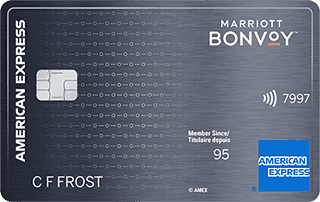

- Annual fee
- $120
- Our valuation
- $990Milesopedia first-year estimate First-year valueWelcome bonus$990Total$990Rewards on your spending are not included. The calculator that adds them from your own profile is on the card's page.
- Milesopedia first-year estimateFirst-year valueWelcome bonus$990Total$990Rewards on your spending are not included. The calculator that adds them from your own profile is on the card's page.
- Welcome offer
- Up to 110,000 points
- Ends Sep 22, 2026
on American Express's website
Apply with confidence — no impact on your credit scoreApply with confidenceCheck whether your application will be approved before you submit it, with no impact on your credit score*When you apply for a personal American Express Credit Card, we will tell you whether you are eligible without affecting your credit score. So you can apply with confidence.*Instant decisions are only available for consumer Card applications (also called “personal Cards”).
Our editorial integrity
Our reviews and rankings are based on an objective assessment. Advertisers do not influence our content. We may receive compensation through some links; our analysis and opinions remain independent.