

How do I read the cardholder’s agreement?

Want to apply for a credit card, but need to read the contract thoroughly? Don’t worry; it’s not that difficult to read; you just need to familiarize yourself with the main criteria to consider.
The following article will cover the most essential elements of the credit cardholder contract, from interest rates to rewards programs. In addition to explaining how to access the contract, its content will be simplified so that policyholders can read and understand it effectively.
Understanding a credit card contract
Definition of the cardholder contract
The cardholder agreement is a legal document that defines the rights and obligations of the parties involved in using a credit card. It sets out the precise conditions for using the card, the applicable fees, the penalties for non-compliance, and much more.
Understanding these elements is essential for optimal credit card use. For example, the contract may detail additional benefits offered to cardholders, such as rewards programs, cash rebates or extended warranties.
The contract also specifies responsibilities in the event of fraud or unauthorized card use. It is therefore crucial to understand the implications of the contract in order to minimize the risks and maximize the benefits of credit card use.
Banking terms you need to know
To fully understand your credit card contract, it’s essential to be familiar with certain banking terms. Here are some of the most important:
- Primary cardholder: This is the person who applied for the card and whose name appears on the account. This person is responsible for all transactions carried out on the account.
- Additional cardholder: Any person to whom an additional card has been issued. It can carry out transactions on the account, but the principal cardholder remains responsible for all transactions.
- Credit limit: This is the maximum amount that can be outstanding on your account at any one time. This limit applies even if more than one card has been issued for the account.
- Overlimit fee: This is a fee that may be charged if you exceed your credit limit.
- Annual fee: Some credit card issuers charge an annual fee for the use of the card.
- Interest rate: This is the percentage you pay to borrow money. If you don’t pay your balance in full each month, you’ll have to pay interest on the remaining amount.
- Transaction: This refers to any operation carried out with your card, such as a purchase, cash advance or payment.
Content of the credit card contract
First, the agreement must contain all the information related to your credit card. It’s important to consider it in its entirety.
To give you a better idea of the contents of the contract, here is some mandatory information that must be included in the credit card holder’s contract. It must indicate:
- The date and place of the conclusion of the contract
- Merchant’s name, mailing address and email address
- Merchant license number (if high cost credit)
- Holder’s name and address
- Credit limit (if any)
- Membership, renewal or replacement fees for a lost or stolen card
- The length of each period for which a statement of account is provided
- The minimum payment required for each period
- The amount of time you have to pay off your account balance without paying a credit fee
- The annual credit rate (annual percentage representing the credit fees)
- The nature of credit fees and how to determine their amount
- Examples of credit charges in table form
Note that an information box should be included at the beginning of the contract or in a separate document. For the cardholder, it must include the credit limit granted, the credit rate, the grace period, the minimum periodic payment and any other fees that may be charged. Moreover, the simple fact of handing over the credit card is considered to be the financial institution’s signature. The first use of the credit card represents your signature of sorts.
It’s essential to read the contract carefully and ensure it includes all the information mentioned above. No matter what happens, you’ll be in the know!

What names should be checked on the contract?
Your credit card contract may contain several names. The primary cardholder’s name is the most important, as it is the one who appears on the contract and who applied for the credit card. The primary cardholder is responsible for all card transactions.
If you have decided to add authorized users to your account, their names may also appear on the contract. These authorized users are entitled to use the credit card, but final responsibility for all transactions remains with the primary cardholder.
Finally, the name of the merchant, i.e. the financial institution or bank that has granted you the credit card, must also be mentioned on the contract.
In short, check these names on the contract:
- The name of the principal owner
- Names of authorized users (if applicable)
- Merchant name (financial institution or bank)
How do I access the holder's contract?
If you apply online, the written contract will be available electronically. For some banks or department stores, it will be possible to access your contract by downloading a PDF file.
If you wish to apply in person, visit a branch or store near you. An advisor will share the paper contract with you, and you can read it on the spot, asking any questions you may have.

What are the most essential elements of the credit cardholder agreement?
Interest Rate
Managing payments and interest is a crucial aspect of any credit card. You are borrowing money from the bank or store by having a credit card and making purchases on it. In general, your credit card balance must be paid monthly. The payment amount may vary, but it must cover at least the minimum payment indicated on your account statement.
- You won’t have to pay interest if you pay your balance in full each month.
- The card issuer will charge you interest on all purchases if the minimum payment is not made within the grace period.
- The interest rate is generally indicated as an annual percentage, called the Annual Interest Rate (AIR).
If you only pay the minimum each month, paying off your credit card may take several years. For example, let’s say your credit card balance is $5,000, and the interest rate is 19.9%. If you just pay the minimum monthly payment (3.5%), it will take you 16 years to pay off your balance in full.
It’s also important to note that credit card interest is generally calculated on a daily basis, which means that the longer you wait to pay off your balance, the more interest you pay.
In addition, some card issuers offer installment plans consisting of a fixed repayment schedule with monthly payments. These programs can help you manage payments and reduce the amount of interest you pay.
In short, effective payment and interest management can help you minimize your costs and maximize the benefits of your credit card.
Fees and penalties
In addition to interest, there may be other fees if you have a credit card. Have you exceeded your credit limit for a particular month? Overage fees may apply. In addition, some banks or stores will charge you an annual fee, while others do not require any fee at all. Other fees that may be charged include:
- Financing costs
- ATM fees
- Foreign transaction fees
- Cash advance fee
- Balance transfer fee
- Return payment fees
- Expedited payment fees
Payment methods and instructions
There are several ways to pay your credit card balance. Depending on your preference, payment can be made online, by phone, at an ATM, in person at a branch, by pre-authorized debit or by mail with a cheque. Pay attention to the processing time!
It is also possible to place a payment order. This allows the account holder to transfer money to a specific beneficiary (person, company, institution), either for a specific transaction or for a series of transfers on different dates.

Reward Programs
Reward programs were created to build loyalty. Popular with travellers, Aeroplan is an example of a program linked to an airline. You can rent a car, buy gift cards, or spend the night at a hotel with your earned points. Air Miles is a cash-back rewards program. Delivering rewards dollars to your account also helps you reduce your pharmacy and gas station bills.
Financial institutions often offer different programs, each with its own subtleties. The points accumulated can be used for products, accommodation purchases or even an account credit.
It is essential to read your credit card agreement carefully when you apply. Be aware of the different fees and penalties, your interest rate, and the payment methods available to you; all essential information to remember. You could even treat yourself and take advantage of the various rewards programs.
Do you pay your minimum or full monthly balance and avoid late payments? You are well on your way to obtaining and maintaining a good credit rating, and thus avoiding personal bankruptcy!
Cardholder rights
As a credit cardholder, you have certain rights defined in your contract. It’s essential to be aware of them to take full advantage of your card’s benefits and protect yourself against undesirable situations.
- Right to information: The card provider must inform you of all essential details related to your card, such as interest rates, fees, penalties and rewards.
- Right to privacy: Your personal information must be protected and may not be shared with third parties without your consent.
- Right to dispute: In the event of an unauthorized or fraudulent transaction, you have the right to deny and request an investigation.
- Right to communication: You have the right to receive electronic alerts concerning the status of your account, for example when the available credit falls below a certain amount.
Note that these rights may vary depending on your specific card contract and the jurisdiction in which you live.
The cardholder's responsibilities
As a credit card holder, you have a series of responsibilities that are detailed in the card contract.
- Payment of debts: You are responsible for repaying all debts accumulated with your card. This includes purchases made, cash advances and associated costs.
- Secure card use: It is your responsibility to keep your credit card safe to prevent unauthorized use. You must notify the card issuer immediately if your card is lost, stolen or misused.
- Compliance with contract terms: Compliance with the terms and conditions of the cardholder’s contract is also one of your responsibilities. This includes paying bills on time, respecting the credit limit, and using the card according to the contract.
It is, therefore, crucial that you read the cardholder agreement carefully and understand your responsibilities before activating or using your credit card.
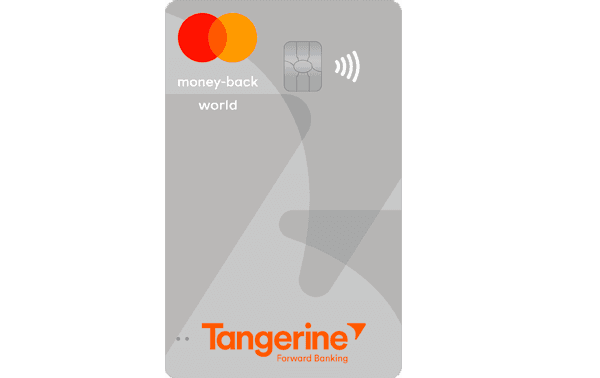

- Annual fee
- $0
- Our valuation
- $100Milesopedia first-year estimate First-year valueWelcome bonus$100Total$100Rewards on your spending are not included. The calculator that adds them from your own profile is on the card's page.
- Milesopedia first-year estimateFirst-year valueWelcome bonus$100Total$100Rewards on your spending are not included. The calculator that adds them from your own profile is on the card's page.
- Welcome offer
- Up to $100
- Ends Sep 30, 2026
on Tangerine's website
Frequently Asked Questions
How can I avoid paying interest on my credit card?
To avoid paying interest on a credit card, here are several strategies:
- Pay the balance in full before the due date: this is the most direct and efficient method. For example, if the statement shows a balance of $800, this amount must be paid in full by the due date to avoid interest charges.
- Optimize payment management: increasing your monthly payments can reduce the time it takes to settle your balance, which in turn reduces the interest you pay.
- Adopt the « snowball » method: this approach involves making the required payments on each of your debts, then using the remaining funds to pay off the lowest credit card balance. Once this one is paid off in full, you do the same with the next, and so on.
Check the terms and conditions of your credit card contract for the specific interest rules applied by your bank.
Can I lend my bank card to my son or another person?
The bank card is strictly personal and nominative. It is linked to an account and a contract signed by the cardholder. According to the credit card contract, lending your card to a third party may be considered a violation of the terms and conditions of use.
In addition, the cardholder is responsible for its use, even if another person carries out the transactions. If your son uses your card and spends more than you can pay back, you’ll have to assume the debt.
Our featured card
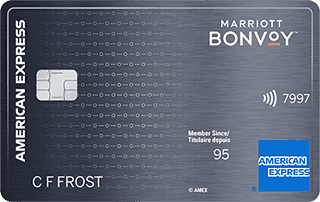

- Annual fee
- $120
- Our valuation
- $990Milesopedia first-year estimate First-year valueWelcome bonus$990Total$990Rewards on your spending are not included. The calculator that adds them from your own profile is on the card's page.
- Milesopedia first-year estimateFirst-year valueWelcome bonus$990Total$990Rewards on your spending are not included. The calculator that adds them from your own profile is on the card's page.
- Welcome offer
- Up to 110,000 points
- Ends Sep 22, 2026
on American Express's website
Apply with confidence — no impact on your credit scoreApply with confidenceCheck whether your application will be approved before you submit it, with no impact on your credit score*When you apply for a personal American Express Credit Card, we will tell you whether you are eligible without affecting your credit score. So you can apply with confidence.*Instant decisions are only available for consumer Card applications (also called “personal Cards”).
Our editorial integrity
Our reviews and rankings are based on an objective assessment. Advertisers do not influence our content. We may receive compensation through some links; our analysis and opinions remain independent.